Product Description
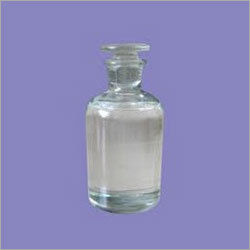
Monoethylene Glycol which is chemically known as ethane-1,2-diol is an organic liquid compound with a clear, colourless, odourless, and slight viscous physical appearance. This syrupy liquid has a slight sweeter taste. It has a chemical formula of C2H6O2 with an average molar mass of 62.068 grams per mol. It is commonly used as a raw material for the manufacturing of polyester fibres and also for the formulation of the antifreeze agents. It has a melting point of -12.9 degree Celsius and a boiling point of 197.3 degree Celsius.
Versatile Industrial ApplicationsMonoethylene Glycol is utilized extensively in the manufacture of heat transfer fluids, dehumidifiers, and as an intermediate in chemical synthesis. Its miscibility and reliable thermal properties make it indispensable across automotive, textile, and chemical sectors, enhancing operational efficiency and product quality.
Safe Storage and HandlingMEG should be stored in tightly closed containers placed in cool, dry, and well-ventilated areas away from sources of ignition. While it is not classified as hazardous for transport, safety measures should be observed as it is harmful if swallowed. Adhering to storage guidelines preserves quality and extends shelf life.
Efficient Chemical Process IntegrationMEG is produced via the hydrolysis of ethylene and is integrated into processes through direct addition, blending, or as a chemical intermediate. Its reliable stability under recommended conditions simplifies process control and helps maintain product purity and consistency throughout manufacturing.
FAQs of Monoethylene Glycol:
Q: How is Monoethylene Glycol typically used in industrial applications?
A: Monoethylene Glycol is primarily used as an antifreeze in automotive coolants, as well as a raw material in the production of polyester fibers and resins. It also serves as a heat transfer fluid and dehumidifier, and is utilized as a solvent or chemical intermediate in various industrial processes.
Q: What are the main benefits of using Monoethylene Glycol in manufacturing?
A: The benefits include high purity (99.9%), excellent miscibility with water and solvents, stable thermal properties (boiling point of 197.6C, freezing point of -12.9C), and suitability for direct addition or blending processes. These features support efficient, high-quality production in diverse industries.
Q: When and how should Monoethylene Glycol be stored to ensure optimal shelf life?
A: MEG should be stored in tightly closed containers in cool, dry, and well-ventilated environments. Avoid direct exposure to heat and sources of ignition. Under recommended storage, MEG remains stable with a shelf life of up to 24 months.
Q: Where does Monoethylene Glycol find significant application in India?
A: In India, MEG is distributed and supplied for automotive, textile, and chemical industries, finding use in antifreeze formulations, polyester fiber manufacturing, heat transfer, and resin production. It is available through distributors, suppliers, and traders nationwide.
Q: What process is used for incorporating Monoethylene Glycol into products?
A: MEG is incorporated through direct addition to mixtures, blending with other substances, or use as an intermediate in chemical reactions. Its liquid, colorless, and odourless nature facilitates easy and consistent integration into industrial operations.
Q: Is Monoethylene Glycol safe to handle and transport?
A: While MEG is not classified as hazardous for transport and is stable under recommended storage, it can be harmful if swallowed. Use appropriate safety equipment and procedures during handling to minimize health risks.








 Send Inquiry


